Better organisation thanks to uncomplicated material marking

Leftover materials or cuts are often returned to the warehouse after sawing without being marked, which can quickly become confusing. Sound familiar? We tell you what your options are to overcome this challenge.

Unmarked materials in the warehouse can be difficult to recognise or easily mistaken. For safety reasons, it seems easier just to dispose of them. But this can result in high costs which are avoidable.

By marking the materials consistently and reliably, you can prevent confusion. Instead of ending up in the rubbish, these leftover materials can then be put to further use.

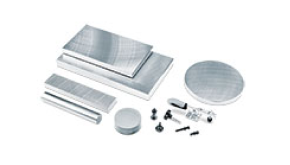
Your Meusburger bars are already marked when you get them

In addition, we recommend immediate re-marking after sawing. That way, the different steels can be distinguished by their steel quality when they are next used.

 PDF Download

Marking with hand stamps

The marking is created by hammering in a stamp with mirror-inverted engraving. However, this marking method is not suitable for brittle materials.

V 28800 Hand stamps set, nickel-plated, DIN 7353 Product single image
V 28800
Hand stamps set, nickel-plated, DIN 7353
V 22020 Machinist's hammer, hickory handle Product single image
V 22020
Machinist's hammer, hickory handle
GDGR 1000 Engraving pen Product single image
GDGR 1000
Engraving pen


Marking with paint or pen

Brittle materials may be marked using paint cans or pens.

Marking with paint can

By using spray paint cans, the markings are applied to the front or outside of the material.

  • Can produce sloppy results due to the spray mist
  • Elaborate colour system necessary
  • Recoding of the colour to the material

Marking pen

The material is marked with a special pen.

  • Easy to use
  • High flexibility
  • Marking can come off in different ways, e.g. from material abrasion

Shopping cart preview

CAD preview

Your shopping cart is empty.
Total net
To the shopping cart

Bitte beachten!

Sie möchten einen Artikel konfigurieren, der zu einem gehört. Bitte prüfen Sie nach Ihren Anpassungen eigenständig alle Platten und Einbaueile auf technische Kompatibilität.